Precision Diagnostics for Modern Wireline Cables

Know the Condition of Your Wireline Cable Before It Becomes a Failure

High-resolution, non-destructive inspection of coated electro-mechanical wireline cables, identifying metallic loss, localized magnetic indications, and condition-based risk along the full inspected length.

LMA%
Cable Condition
LF Amplitude
A-SWL
AOC Map
Why CableSense AI

Visual Inspection Alone Cannot See What's Underneath

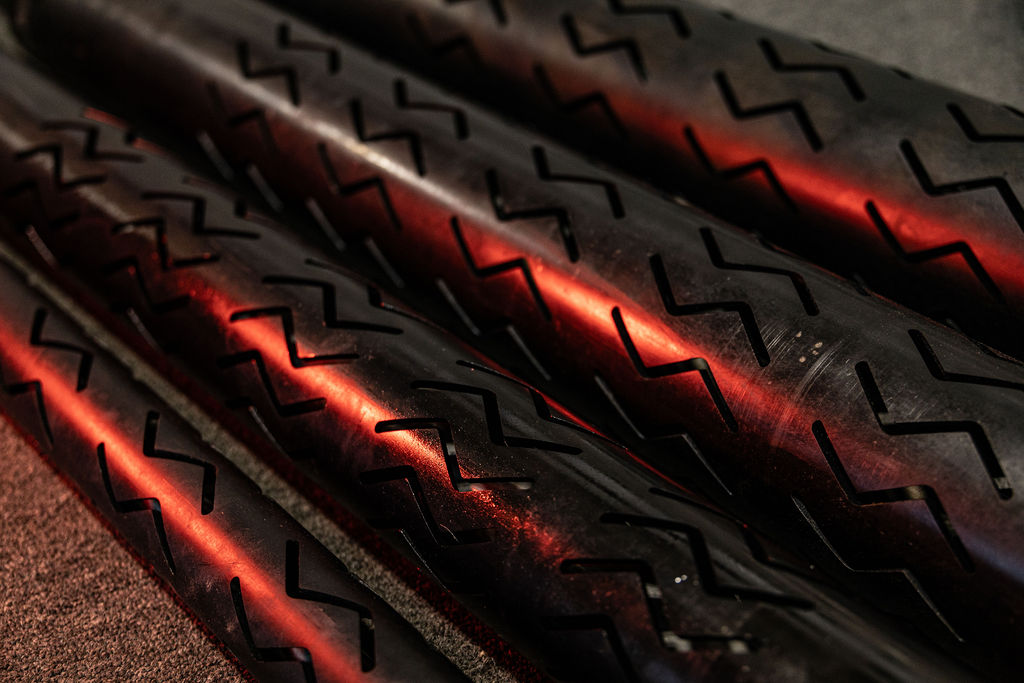
Coated wireline cables often operate in demanding environments where corrosion, mechanical wear, torsional distortion, pressure-control friction, chemical exposure, and repeated cycling can gradually change the condition of the armor package. Because much of the steel is concealed beneath the coating, visual inspection alone cannot provide a complete assessment of the cable. Traditional replacement decisions are often based on run count, total footage, age, isolated field observations, or conservative operating rules. These are important factors, but they don’t directly show where metallic loss is occurring, whether degradation is accelerating, or how one inspection compares with the next.

CableSense AI adds measured condition data to the retirement decision. It does not replace operating procedures, manufacturer limits, or qualified engineering judgment; it gives operators a better technical basis for applying them.

Estimate Your Program Value

Estimate Your Annual Savings

Wireline Units in Service6
Cables Inspected per Unit3
Inspections per Year4
Estimated Annual Savings
$0
Based on avoided premature retirement and reduced unplanned cable failures.

Five Outputs, One Clear Picture

What CableSense AI Does

CableSense AI uses Magnetic Non-destructive Testing principles to evaluate coated electro-mechanical wireline cable as it passes through a calibrated sensor head, converting high-density magnetic data into customer-facing condition tracks and Areas of Concern, presented by cable length.

LMA%: Loss of Metallic Area

Shows relative changes in metallic cross-sectional area along the inspected cable. Positive values indicate measured metallic loss; negative values can identify increased magnetic response associated with torsional or geometric changes.

LF: Localized Fault Amplitude

Highlights localized magnetic disturbances that may warrant closer review alongside the LMA response and cable history.

TRACK: Cable Condition Track

Provides an easy-to-read condition visualization using defined severity ranges so customers can quickly see where the cable condition changes.

A-SWL: Adjusted Safe Working Load

Provides an engineering-based approximation of safe working load adjusted for measured loss of metallic area and conservative corrosion assumptions.

AOC: Areas of Concern

Summarizes intervals that exceed defined thresholds or show condition changes requiring review, monitoring, or follow-up.

Key Customer Advantages

A Better Technical Basis for Every Cable Decision

Condition-Based Retirement Decisions

Move beyond decisions based only on age, run count, or total footage. CableSense AI provides measured condition information that can support continued service, targeted monitoring, cutback decisions, or retirement planning.

Detect Changes Hidden Beneath the Coating

Evaluate the metallic armor package even when the cable surface appears acceptable and the steel cannot be directly inspected.

Full-Length Condition Visibility

Review the cable by measured length instead of relying only on isolated samples or destructive tests taken from a small section.

Early Identification of Developing Problems

Recognize emerging areas of metallic loss or abnormal response before they progress into a larger operational concern.

Repeatable Lifecycle Monitoring

Retain every inspection so future scans can be compared against the baseline and prior service history.

Improved Asset Utilization

Avoid retiring a cable solely because it has reached an arbitrary age or run count when inspection data supports continued monitored service.

Lifecycle Monitoring

Repeated Inspections. One Permanent Condition Record.

The greatest value of CableSense AI is achieved through repeated inspections over the life of the cable. Each inspection becomes part of the cable’s permanent condition record. Future scans can be aligned with prior data using encoder position and recognizable LMA/LF signatures, even when the cable has been shortened by cutbacks.

New-Cable Baseline Certification

Compare the Cable Against Its Own History

A baseline inspection establishes the initial magnetic signature of a new or newly installed cable. This is the preferred starting point for long-term condition monitoring because future changes can be compared against the cable’s own original response rather than a generalized reference alone.

Condition Interpretation

Defined Condition Bands, Consistently Applied

CableSense AI uses defined condition bands to present measured LMA values in a consistent visual format. These bands are intended to prioritize review and communication; they are not a stand-alone pass/fail determination.

Applications

Where CableSense AI Is Most Useful

Application: New Cable Certification

Baseline Certification of New Coated Electro-Mechanical Wireline Cables

Application: Corrosive Service

Evaluation of Cables Operating in Corrosive or Chemically Aggressive Environments

FAQ

Frequently Asked Questions

Find everything you need to know about CableSense AI

The service is designed for coated electro-mechanical wireline cables used in oil and gas well operations. Inspection parameters are configured around the cable construction, diameter, manufacturer data, and available baseline information.
No. The coating stays in place. CableSense AI uses Magnetic Non-destructive Testing to evaluate the steel armor concealed beneath it, without removing the cable from service.
Yes. LMA% highlights relative loss of metallic cross-sectional area consistent with corrosion, and LF flags localized disturbances that may warrant closer review.
No. Results are presented in defined condition bands to prioritize review and communication; they support, rather than replace, engineering judgment.
Typical inspection speed is approximately 300 feet per minute, with high-density data recorded at roughly 2,000 samples per second, so duration scales with cable length.
Yes. Scans are aligned using encoder position and recognizable LMA/LF signatures, even when the cable has since been shortened by cutbacks.
A baseline inspection captures the cable’s original magnetic signature, giving future scans a specific reference to compare against rather than a generalized standard alone.
An interval that exceeds defined thresholds or shows a condition change requiring closer review, monitoring, or follow-up.
Adjusted Safe Working Load: an engineering-based approximation that reduces the manufacturer’s recommended safe working load in relation to measured loss of metallic area.
No. A-SWL and the condition data support decision-making alongside manufacturer guidance, applicable standards, and destructive testing where required, not in place of them.
At a spooling facility or another controlled location with suitable cable handling equipment and setup clearance.
On a routine lifecycle schedule set by service environment, operating risk, and job criticality. Our team can help define an interval for your fleet.

Build a Condition History Before You Need a Failure Investigation

Whether you are establishing a baseline on a new cable, evaluating an asset after demanding service, or building a lifecycle inspection program, CableSense AI provides the data and reporting needed to make better-informed cable integrity decisions.